Zinnias: The Perfect Companion Flowers For Your Garden
Zinnias: The Perfect Companion Flowers for Your Garden
Zinnias are beautiful, easy-to-grow flowers that can add a splash of color to any garden. They are also excellent companion plants, meaning that they can benefit other plants in the garden.
In this blog post, we will discuss the benefits of companion planting with zinnias, as well as some of the best companion plants for zinnias. We will also provide some tips on how to plant and care for zinnias.
Benefits of Companion Planting with Zinnias
There are many benefits to companion planting with zinnias. Here are a few of the most important:
- Attract pollinators. Zinnias are a magnet for pollinators, such as bees, butterflies, and hummingbirds. These pollinators are essential for the health of our gardens, as they help to pollinate plants and fruits.
- Discourage pests. The strong scent of zinnias can help to deter pests, such as aphids, whiteflies, and spider mites. This can help to keep your other plants healthy and pest-free.
- Improve soil health. Zinnias are nitrogen-fixing plants, which means that they can help to improve the nitrogen content of the soil. This can benefit other plants in the garden, as nitrogen is an essential nutrient for plant growth.
- Enhance the beauty of your garden. Zinnias come in a wide variety of colors, so you can choose the ones that will best complement your other plants. They can also be used to create beautiful borders or cut flowers.
Best Companion Plants for Zinnias
There are many different plants that can be companion plants for zinnias. Here are a few of the best:
- Tomatoes: Tomatoes and zinnias are a classic companion plant combination. The zinnias help to attract pollinators to the tomatoes, which can help to improve fruit production. The tomatoes also provide shade for the zinnias, which can help to protect them from the hot sun.
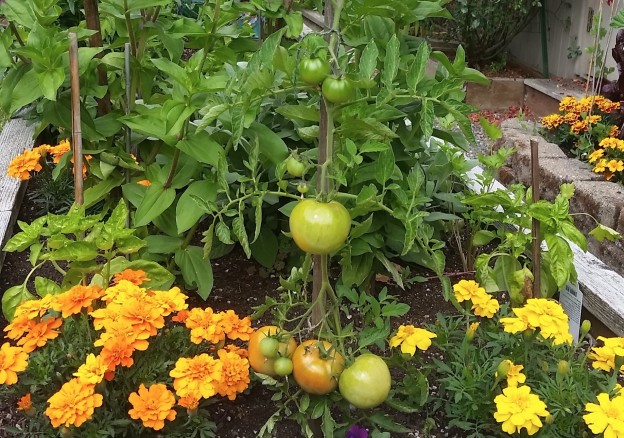
- Basil: Basil and zinnias are both members of the mint family, and they benefit each other in a number of ways. The basil helps to repel pests from the zinnias, and the zinnias help to attract pollinators to the basil.

- Marigolds: Marigolds are another great companion plant for zinnias. They help to repel pests from the zinnias, and they also help to improve the soil health.

- Cucumbers: Cucumbers and zinnias can be planted together to help improve the pollination of both plants. The zinnias attract pollinators, and the cucumbers provide shade for the zinnias.
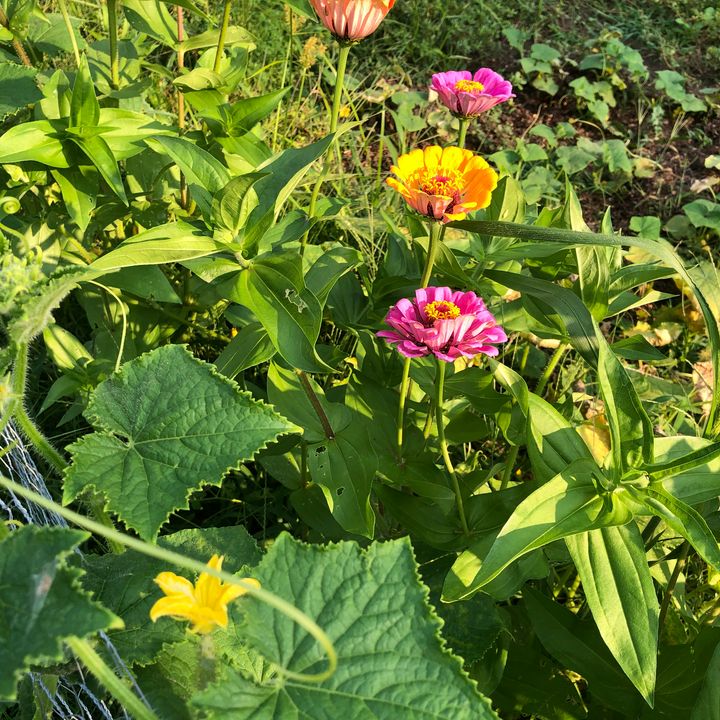
- Calendula: Calendula is a flowering plant that is related to marigolds. It has similar benefits to marigolds, and it can also be used to make a natural insect repellent.

How to Plant and Care for Zinnias
Zinnias are relatively easy to plant and care for. Here are some tips:
- Plant zinnias in full sun. They need at least 6 hours of sunlight per day.
- Plant zinnias in well-drained soil. They do not tolerate wet soil.
- Fertilize zinnias every few weeks with a balanced fertilizer.
- Water zinnias regularly, especially during hot weather.
- Deadhead zinnias regularly to encourage new blooms.
Conclusion
Zinnias are beautiful, easy-to-grow flowers that can benefit your garden in a number of ways. If you are looking for companion plants for zinnias, the plants listed above are a great place to start. With a little care, zinnias will add a splash of color and beauty to your garden for many weeks to come.
FAQ of zinnia companion flowers
Q1. What are zinnia companion flowers?
A. Zinnia companion flowers are plants that are planted near zinnias to benefit both plants. Companion plants can help to attract pollinators, deter pests, improve soil health, or provide other benefits.
Q2. What are some good zinnia companion flowers?
A. Some good zinnia companion flowers include:
- Marigolds: Marigolds help to deter pests, such as aphids and whiteflies.
- Cosmos: Cosmos attract pollinators, such as butterflies and bees.
- Mexican sunflower: Mexican sunflowers help to improve soil health by fixing nitrogen.
- Strawflower: Strawflower provides a long-lasting cut flower.
- Zinnia elegans: Zinnia elegans is a type of zinnia that is known for its bright colors and long-lasting flowers.
Q3. How do I plant zinnia companion flowers?
A. When planting zinnia companion flowers, it is important to consider the needs of both plants. For example, marigolds and cosmos prefer full sun, while Mexican sunflower and strawflower can tolerate some shade. It is also important to plant the companion plants at the same depth as they were growing in their pots.
Q4. What are the benefits of planting zinnia companion flowers?
A. There are many benefits to planting zinnia companion flowers, including:
- Increased pollination: Companion plants can attract pollinators, which can help to increase the pollination of zinnias.
- Reduced pest pressure: Companion plants can deter pests, which can help to protect zinnias from damage.
- Improved soil health: Companion plants can help to improve soil health by fixing nitrogen or providing other benefits.
- Enhanced beauty: Companion plants can add variety and interest to a zinnia bed.
Q5. How do I care for zinnia companion flowers?
A. The care requirements for zinnia companion flowers vary depending on the type of plant. However, some general care tips include:
- Water regularly, especially during hot, dry weather.
- Fertilize monthly with a balanced fertilizer.
- Deadhead spent flowers to encourage new blooms.
- Protect from pests and diseases.
Image of zinnia companion flowers
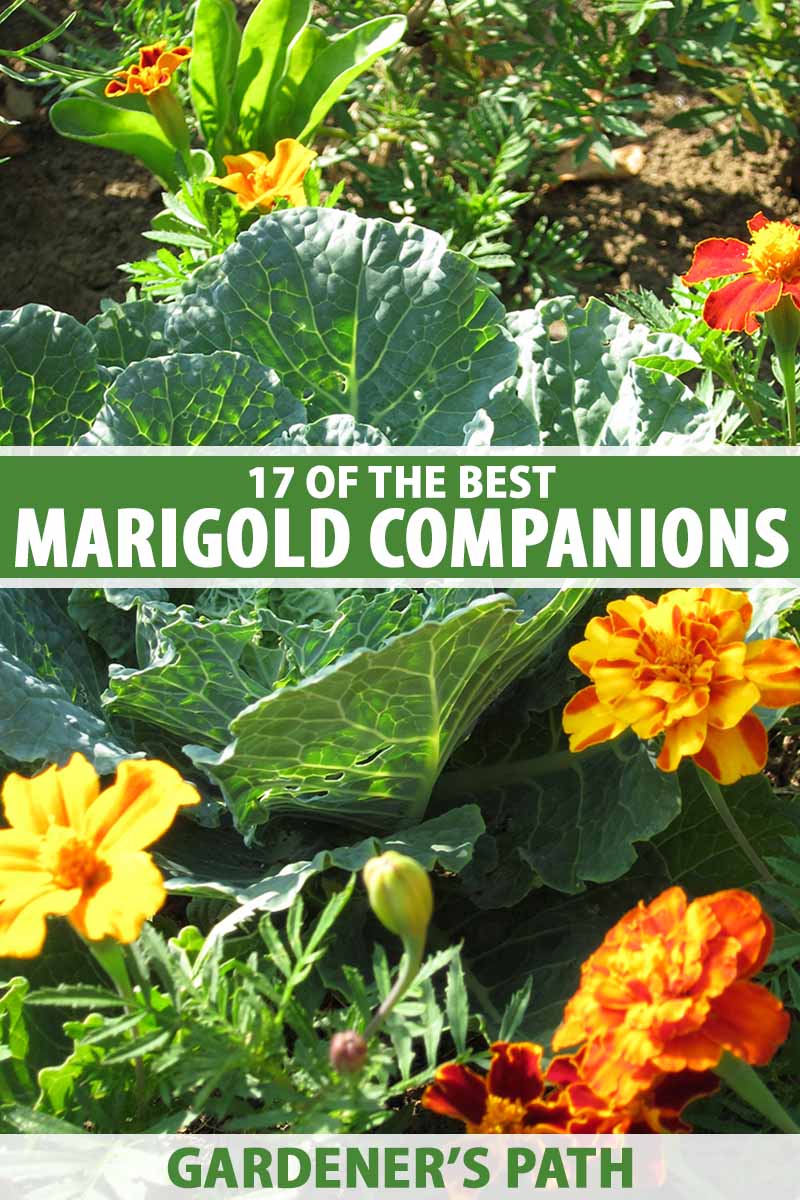
- Marigolds: Marigolds are a great companion plant for zinnias because they help to repel pests. They also have similar growing requirements, so they can be planted together without any problems.
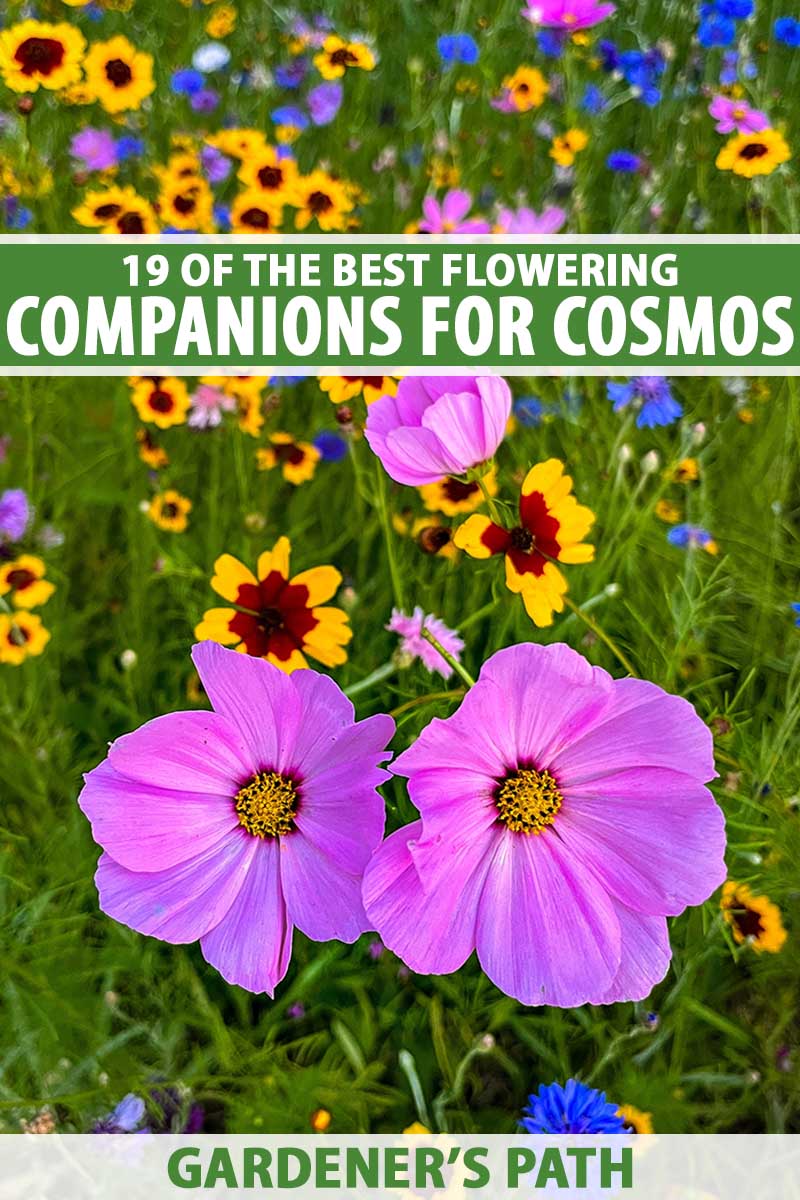
- Cosmos: Cosmos are another great companion plant for zinnias. They have similar flower colors, so they look great planted together. Cosmos also help to attract pollinators, which can help to improve the pollination of your zinnias.
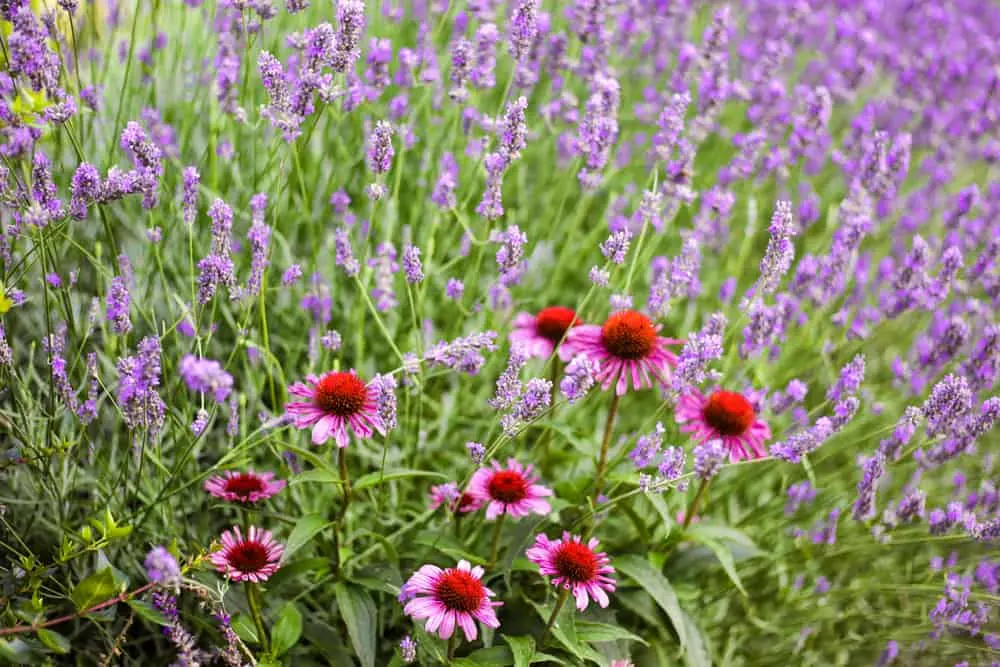
- Lavender: Lavender is a beautiful and fragrant plant that can be a great companion for zinnias. It helps to deter pests and attract pollinators. Lavender also has a calming effect, which can be helpful if you have a garden that is prone to stress.
- Salvia: Salvia is a versatile plant that can be used in a variety of ways. It is a great companion plant for zinnias because it helps to attract pollinators and repel pests. Salvia also comes in a variety of colors, so you can find one that complements your zinnias perfectly.

- Coneflowers: Coneflowers are a popular choice for companion planting because they are attractive and easy to care for. They help to attract pollinators and deter pests. Coneflowers also come in a variety of colors, so you can find one that complements your zinnias perfectly.


Post a Comment for "Zinnias: The Perfect Companion Flowers For Your Garden"